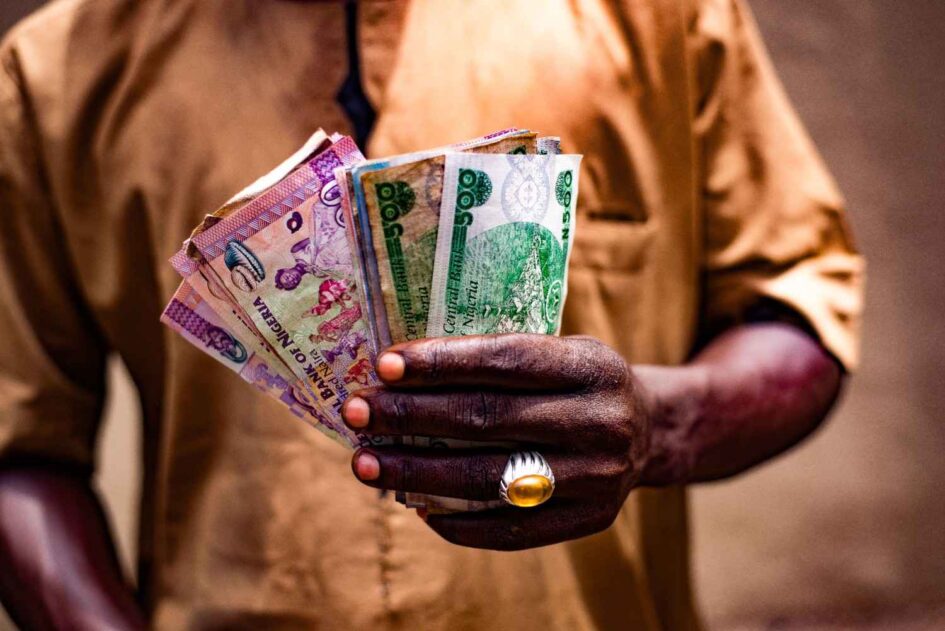
Imagine someone gives you two options. You can receive ₦900 million in cash today, or you can own two plots of land in Maitama, Abuja with the same current market value. Which would you choose?
For most people, the answer would be immediate. Cash feels like the obvious choice because it offers freedom, flexibility, and instant access. You can spend it, invest it, or keep it in the bank. Land, on the other hand, may seem less exciting because it cannot be used immediately without planning or development.
However, the smartest financial decision is not always the most obvious one. While cash is important, it is not always the best store of wealth over long periods. In many cases, owning land can preserve and even grow your wealth far better than simply holding a large amount of money. Understanding why requires looking beyond today’s value and thinking about what happens over the next five, ten, or twenty years.
Wealth Is Built on Assets, Not Cash
Many people measure wealth by the amount of money sitting in a bank account. While having cash provides security and flexibility, it does not automatically make someone wealthy. Cash is a tool. Its value depends largely on what you do with it.
True wealth is often built through assets that have the potential to increase in value over time. Businesses, stocks, intellectual property, and real estate are all examples of assets that can continue creating value long after they have been acquired. Unlike cash, these assets have the ability to grow alongside the economy.
This is why many financially successful people focus on ownership rather than accumulation. They understand that money sitting idle is not necessarily creating more wealth. Instead, they use their money to acquire assets that can appreciate over time. Among those assets, owning land has remained one of the most trusted wealth-building strategies for generations.
Why Holding Cash Can Slowly Reduce Your Wealth
There is nothing wrong with keeping cash available for emergencies or short-term needs. Every healthy financial plan should include liquid funds that can be accessed when necessary. Problems arise when large amounts of money remain idle for years without being invested or converted into productive assets.
Many people believe that leaving money in a bank automatically protects their wealth. In reality, money can quietly lose value even while the account balance stays exactly the same. This is one of the biggest financial misconceptions people make.
Understanding this hidden cost is essential because it changes the way you think about wealth. Instead of asking, “How much money do I have?” the better question becomes, “Is my money becoming more valuable over time?”
Inflation Quietly Reduces the Value of Your Money
Inflation is one of the biggest reasons why cash loses value over time. As prices increase, the same amount of money buys fewer goods and services than it did before. While your bank balance may not change, your purchasing power gradually declines.
You can see this in everyday life across Nigeria. The cost of food, transportation, rent, building materials, school fees, and healthcare has increased significantly over the years. Things that were once considered affordable now require much more money.
Now imagine leaving ₦900 million untouched for several years. Although the figure on your bank statement remains the same, what that money can actually buy may be far less than it could today. This is why simply holding cash does not always preserve wealth.
Cash Doesn’t Grow Unless You Put It to Work
Money sitting in a regular savings account usually generates very little return. In many cases, those returns are not enough to keep pace with inflation. This means your money may actually be losing value in real terms, even if it earns some interest.
One of the biggest differences between wealthy individuals and everyone else is that they rarely allow large amounts of money to remain idle. Instead, they look for opportunities to make their money productive. They invest in businesses, property, financial instruments, or other assets that have the potential to appreciate.
This does not mean every investment will succeed. Every investment carries some level of risk. However, understanding how to make money work for you is an important part of long-term wealth building. Cash should be viewed as a resource that creates opportunities, not simply something to hold indefinitely.
Large Amounts of Cash Can Encourage Lifestyle Inflation
Having access to a large amount of money can sometimes create a false sense of financial security. As income or wealth increases, spending often increases as well. Bigger houses, newer cars, expensive gadgets, luxury vacations, and frequent lifestyle upgrades can gradually consume money that might otherwise have been invested.
This pattern is known as lifestyle inflation. It rarely happens overnight. Instead, spending increases little by little until a significant portion of wealth is being used to maintain a lifestyle rather than build financial security.
That is why financial discipline becomes even more important when money is abundant. Wealth is not preserved simply by earning or receiving large amounts of cash. It is preserved by making thoughtful decisions about where that money goes and ensuring that a meaningful portion is used to acquire assets that continue to grow.
Why Owning Land Can Build Long-Term Wealth
Unlike cash, land is a physical asset with long-term potential. While prices may fluctuate over short periods, land has historically remained one of the most reliable stores of wealth across many parts of the world, including Nigeria.
One reason for this is simple. More money can be printed, but no one is creating more land. As populations grow and cities expand, the demand for land often increases while supply remains limited. This basic economic principle has helped support the value of real estate for generations.
Although owning land should never be viewed as a guaranteed path to wealth, it has consistently played an important role in helping individuals and families preserve and grow their financial position over time.
Real Estate Often Appreciates Over Time
One of the greatest advantages of owning land is the possibility of appreciation. Appreciation simply means that an asset becomes more valuable over time.
Across Nigeria, there are countless examples of communities that were once considered remote but later became highly desirable because of infrastructure development, population growth, and commercial activity. Areas that sold for relatively low prices years ago are now worth many times their original value.
While appreciation is never guaranteed, land often benefits from factors beyond the owner’s control. New roads, schools, shopping centres, businesses, and government projects can all increase property values. This means your asset may continue growing even while you do very little.
Land Can Hold Its Value as Prices Rise
One reason many investors include real estate in their portfolios is that property values often rise alongside inflation over long periods. As construction costs, labour costs, and demand increase, land prices frequently adjust as well.
This makes owning land an effective way to preserve purchasing power. While inflation may reduce the value of cash sitting in a bank account, appreciating property can help offset those losses.
This does not mean land prices increase every single year or that every property investment performs equally well. Location, infrastructure, demand, and market conditions all matter. Nevertheless, quality land has historically proven to be a stronger long-term store of value than idle cash.
Creation of Generational Wealth
One of the biggest advantages of owning land is that its value often extends beyond one generation. Land can be developed, leased, sold, or passed on to children and grandchildren as part of a family’s long-term wealth.
Unlike many consumer purchases that lose value shortly after they are bought, land has the potential to continue serving future generations. Families that own valuable property often have opportunities that would otherwise be unavailable.
This is why many financially successful families place so much importance on acquiring assets rather than simply accumulating money. They understand that lasting wealth is built through ownership, and land has remained one of the strongest examples of that principle.
The Real Lesson Isn’t Cash vs. Land
The purpose of this discussion is not to suggest that cash has no value. Cash remains essential for paying bills, responding to emergencies, running businesses, and taking advantage of new opportunities. Every healthy financial plan requires liquidity.
The bigger lesson is that wealth is rarely created by allowing money to remain idle indefinitely. Cash performs its best when it is being used intentionally to acquire assets, create income, or support long-term financial goals.
Whether those assets include land, businesses, investments, or other productive opportunities, the principle remains the same. Long-term financial growth usually comes from ownership rather than accumulation. Understanding this shift in mindset is one of the most important lessons anyone can learn about building wealth.
How Vasrefil Encourages Smarter Financial Thinking
Building wealth starts with making better financial decisions, and better decisions come from better financial understanding. Unfortunately, many people never have the opportunity to develop that understanding in practical and engaging ways.
Vasrefil is helping change that by making financial learning more interactive. Instead of treating financial education as something separate from everyday life, the platform encourages users to engage with money-related decisions through rewarding experiences that build confidence over time.
Through features like Predict & Win, users participate in decision-based activities, earn VasPoints, and strengthen their financial thinking in an engaging environment. The goal is not simply to reward participation but to encourage habits that support better financial choices in everyday life.
Final Thoughts
Receiving ₦900 million in cash would undoubtedly be life-changing for most people. However, what truly determines long-term financial success is not how much money you receive but how wisely you use it.
Cash provides flexibility, but assets create lasting value. Understanding the difference between the two is one of the most important steps toward building sustainable wealth.
Whether you are starting with thousands of naira or hundreds of millions, the principle remains the same. Focus on acquiring assets that can grow, protect your purchasing power, and create opportunities for the future. In many cases, owning land is one of the strongest examples of that strategy.

Leave a Reply